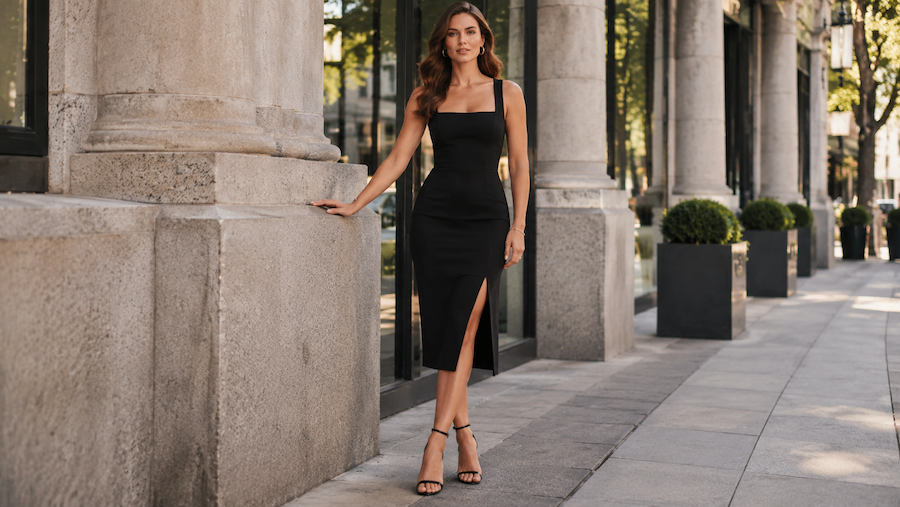
A photographer can take two pictures of the same person, wearing the same outfit, just five seconds apart, and end up with noticeably different body silhouettes.
Move the camera slightly higher. Turn the shoulders. Shift the weight from one leg to the other. Suddenly, the entire photograph looks different.
That’s something worth remembering when we talk about the snatched waist trend. What we see in fashion photography and on social media isn’t always a straightforward representation of someone’s physical appearance. It’s often a combination of styling, perspective, lighting, and post-production.
AI has added another layer to that process. And while it makes body editing easier than ever, it also raises an interesting question: where does creative photography end and unrealistic image manipulation begin?
The Snatched Waist Trend Didn’t Start on Instagram
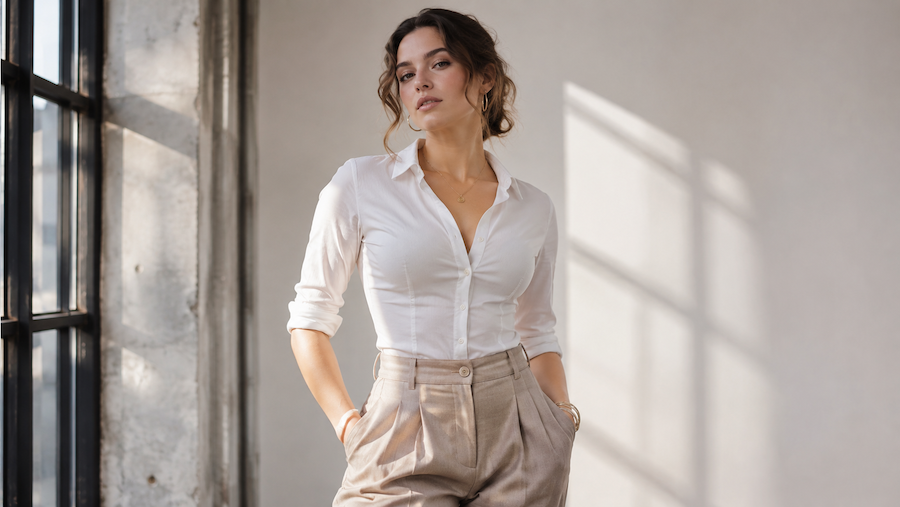
The phrase “snatched waist” might sound like something invented by social media, but the aesthetic has a much longer history.
Christian Dior’s New Look collection in 1947 famously emphasized a defined waist and fuller skirt. Decades later, high-waisted jeans, tailored blazers, wrap dresses, and structured evening gowns continue to play with similar proportions.
Fashion has always experimented with silhouettes.
What’s changed is how quickly people can explore those silhouettes. Instead of relying exclusively on clothing, posing, or professional retouching, someone can now upload a photograph and experiment with a different visual style in a browser.
An online Snatched Waist Filter, for example, allows users to preview changes to their waistline in a digital image without physically altering their bodies.
The distinction matters. We’re talking about editing a photograph, not changing a person.
Why Camera Angles Matter More Than Most People Think
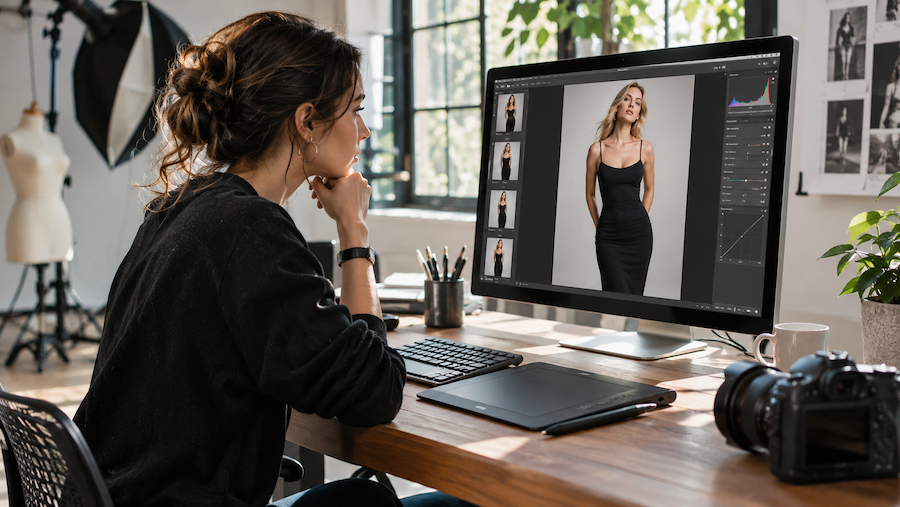
Before discussing AI, it’s worth understanding what a camera already does to body proportions.
A wide-angle lens positioned close to a subject can exaggerate whatever is nearest to the camera. A longer lens used from farther away produces a different sense of proportion.
Photograph someone from waist height, then repeat the shot from shoulder height. Even with identical clothing and posture, the results can look surprisingly different.
Lighting introduces another variable.
Side lighting can emphasize contours by creating shadows, while soft frontal lighting reduces those shadows and produces a flatter appearance. Clothing texture, fabric thickness, and the placement of seams also affect how the waistline appears.
This is why comparing your reflection with a carefully styled photograph is rarely useful.
One is a moment in everyday life. The other is a constructed visual composition.
AI editing doesn’t introduce subjectivity into photography. It simply adds another way of controlling an image that was already shaped by creative decisions.
What’s Actually Happening When AI Edits a Waistline?
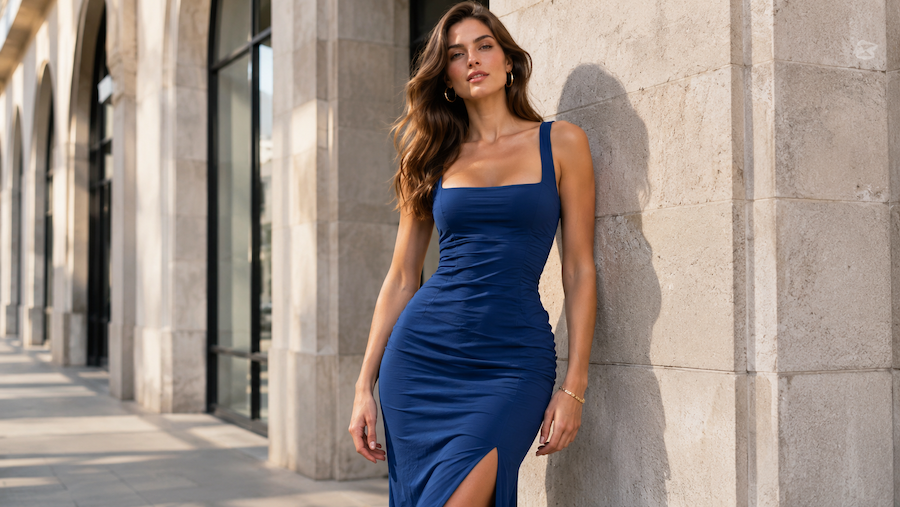
Body reshaping is a deceptively difficult image editing problem.
Imagine a person standing in front of a bookshelf while wearing a striped shirt. Changing the appearance of their torso means dealing with multiple visual elements at once: body contours, fabric patterns, shadows, and the straight lines of the shelves behind them.
Traditional editing tools such as Photoshop’s Liquify filter primarily work by moving pixels.
They’re powerful in experienced hands, but careless adjustments can affect neighboring areas of the image. A bookshelf might develop a subtle curve. A shirt seam might stretch. The edge of an arm could become distorted.
AI-based editing systems can use broader visual context when modifying an image. Depending on the underlying model, they may reconstruct portions of clothing, interpret body boundaries, or generate surrounding image details that fit the requested transformation.
That doesn’t make AI immune to mistakes.
I’ve always found the background to be one of the most useful places to judge a digital edit. A photograph might look convincing at first glance, but inconsistent architectural lines or oddly repeated fabric patterns can quickly undermine the illusion.
The difficult part of body editing isn’t moving the waistline. It’s maintaining everything else.
How to Try an AI Waist Editor Without Photoshop
For people who want to explore this type of image editing without learning complicated desktop software, browser-based tools offer a more accessible starting point.
AILabTools provides an AI Waist Editor that lets users upload a photograph and generate a modified version of the original image.
The basic process is straightforward:
- Open the online editor.
- Upload a clear photograph.
- Generate the edited image.
- Compare the result with the original.
- Download the version you want to keep.
A photograph with clear lighting and visible clothing details makes it easier to evaluate the result.
Pay particular attention to the areas surrounding the edit. Check whether the background remains consistent, whether the clothing still looks believable, and whether nearby hands or accessories have changed unexpectedly.
Don’t judge the result solely by the appearance of the waistline. Look at the entire photograph.
That’s a much better way to understand whether the technology has produced a coherent edit.
AI Versus Photoshop: Different Tools for Different Jobs
The discussion around AI photo editing often turns into a debate about whether artificial intelligence will replace traditional editing software.
For body reshaping, that debate misses the point.
| Feature | AI Photo Editing | Traditional Photoshop Editing |
|---|---|---|
| Learning curve | Relatively low | Requires practice |
| Workflow | Automated generation | Manual editing |
| Local adjustments | Depends on the tool | Detailed manual control |
| Creative previews | Convenient | More time-intensive |
| Professional retouching | Useful as a starting point | Greater control over fine details |
A professional retoucher working on a fashion campaign may need precise control over every seam, shadow, and reflection.
Someone putting together a digital fashion mood board probably doesn’t need that same level of control.
AI makes sense when accessibility and quick experimentation matter. Manual editing remains valuable when accuracy and detailed adjustments are essential.
There is plenty of room for both approaches.
Where AI Body Editing Has Practical Creative Value
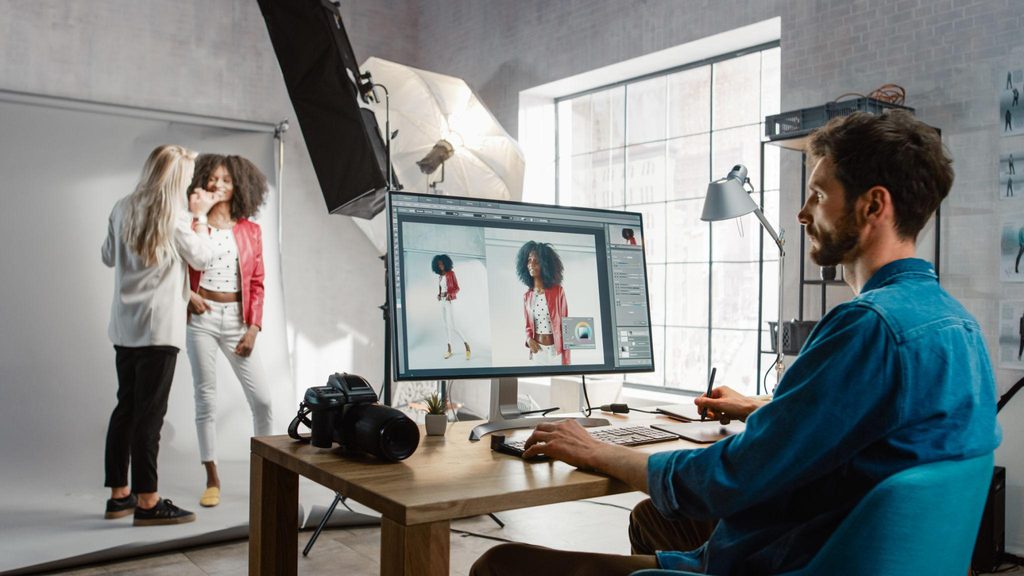
Fashion Concept Development
Fashion photography involves more experimentation than the finished images suggest.
Creative teams explore different lighting arrangements, clothing combinations, poses, and visual references before settling on a final direction.
AI-generated silhouette variations can become part of that early brainstorming process.
They aren’t substitutes for actual garment fittings, but they can help communicate an artistic concept before a full photoshoot takes place.
Editorial Portrait Photography
Not every portrait is intended to be documentary photography.
Magazine editorials, conceptual portraits, and digital artwork often involve deliberate visual manipulation.
In these settings, AI body editing can be another creative technique alongside color grading, background replacement, and stylized lighting.
The important consideration is whether the editing supports the artistic intention of the image.
Social Media Content Creation
Independent creators rarely have the resources of a professional photography studio.
They may work with a smartphone, natural lighting, and a handful of editing tools.
Browser-based AI editors make visual experimentation more accessible, although creators should remain transparent when substantial body alterations could mislead their audiences.
Three Details That Reveal a Poorly Edited Photo
You don’t need to be a professional retoucher to recognize an inconsistent body edit.
Clothing Doesn’t Behave Naturally
Fabric has structure. It folds, stretches, overlaps, and reacts to movement.
When an edited photograph contains disconnected seams, inconsistent stripes, or unusual fabric folds, the result can feel artificial even if the viewer can’t immediately explain why.
The Background Starts to Bend
Doorframes, windows, tiles, and furniture provide useful visual reference points.
When these elements unexpectedly curve near the edited area, it’s a sign that the transformation has affected more than the intended subject.
Lighting No Longer Makes Sense
Shadows help communicate depth and three-dimensional shape.
If the edited body contours no longer match the original lighting direction, the subject can appear disconnected from the surrounding scene.
These problems are good reminders that convincing image editing is about visual consistency, not the intensity of a transformation.
The Problem With Treating Edited Photos as Reality
There’s an uncomfortable side to the popularity of AI body editing that deserves more attention.
When people repeatedly encounter heavily edited photographs without knowing they’ve been altered, those images can influence their expectations of what ordinary bodies look like.
That’s particularly concerning when edited pictures are used to promote fitness programs, weight-loss products, or clothing with supposedly transformative effects.
A digitally altered image cannot demonstrate the effectiveness of a diet, exercise routine, or garment.
Creative experimentation is different from making misleading claims.
My view is that AI editing becomes more useful when we stop treating it as a way to correct someone’s appearance. A photograph can be changed for artistic reasons without suggesting that the original person needed improvement.
A defined waist is one fashion aesthetic. It isn’t a universal standard of beauty or an indicator of health.
Frequently Asked Questions
What does snatched waist mean?
A snatched waist describes a visually defined waistline that creates contrast between the waist, hips, and upper body. The term is commonly used in fashion, styling, photography, and social media.
Can AI change your waistline in a photograph?
Yes. AI image editing tools can modify the appearance of the waist and surrounding body contours in a digital photograph. They do not change your actual body.
Do I need Photoshop to use a waist filter?
No. Browser-based AI tools allow users to experiment with waistline effects without installing professional photo editing software.
Will an AI waist filter preserve my background?
AI tools may attempt to preserve the surrounding scene, but results vary. Complex backgrounds, overlapping objects, and patterned clothing can introduce visual inconsistencies.
Can an edited photo predict how my body will look after weight loss?
No. An AI-generated image is a digital interpretation, not a medical, anatomical, or fitness prediction.
Final Thoughts
Photography has never been completely objective. Every decision, from choosing a lens to adjusting the lighting, influences the final image.
AI makes some of those creative decisions easier to explore.
For anyone curious about digital fashion concepts or alternative portrait styles, a free online snatched waist photo editor offers a convenient introduction to this technology.
But the most interesting thing about AI photography isn’t its ability to reshape a person.
It’s the opportunity to experiment with images without confusing an artistic interpretation with reality.
Good photography has never depended on everyone having the same silhouette. There’s no reason AI photography should be any different.